What Makes a Cuban Bakery in Aurora CO So Special
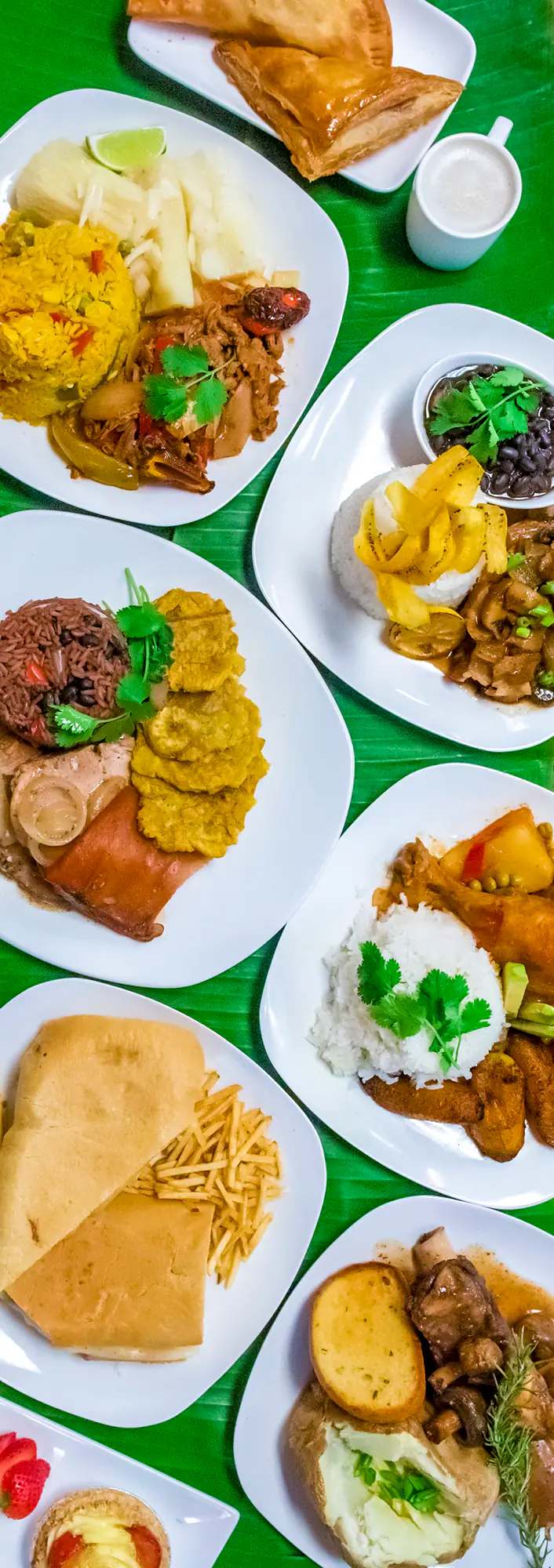
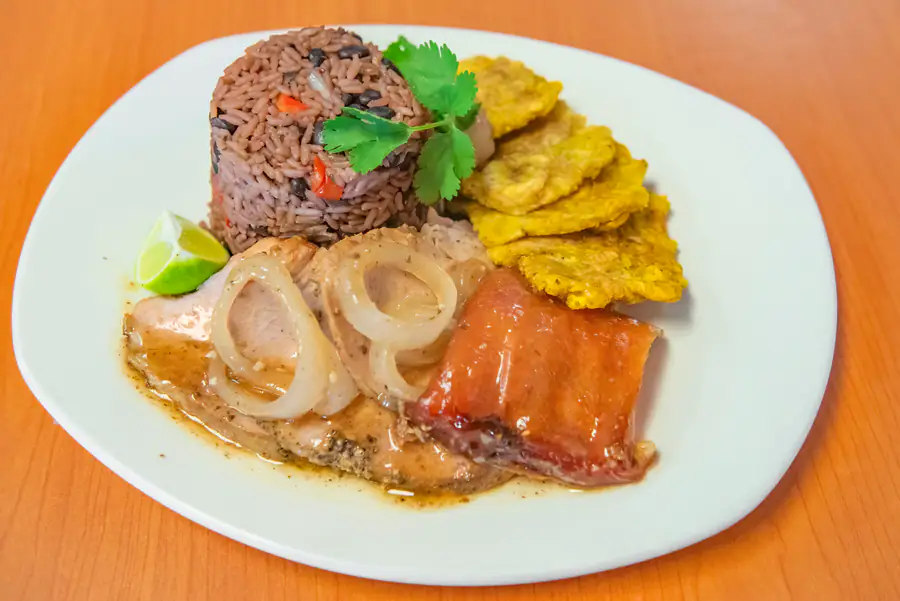
Walk into a truly good Cuban bakery and you notice it before you identify it. The scent hits first, warm butter, sugar just beginning to caramelize, espresso pulling somewhere behind the counter, and bread that has not been sitting around since dawn. Then the visual rhythm takes over. Glass cases packed with pastelitos, rows of croquetas, sandwiches pressed to order, cakes with a little flair but not too much fuss. People are not just buying pastries. They are picking up lunch, grabbing coffee, carrying boxes to family gatherings, and arguing cheerfully over which guava pastry is better.
That combination is what gives a Cuban bakery its staying power. It is not just a place that sells baked goods. It is a neighborhood institution, part café, part lunch counter, part cultural anchor. In a city like Aurora, where food reflects many histories and migration stories, a Cuban bakery can feel especially meaningful. It becomes a place where memory, hospitality, and craftsmanship all show up in very practical ways, on a tray, in a paper bag, beside a tiny cup of strong coffee.
When people search for a Cuban bakery Aurora CO, they are usually looking for more than a sweet pastry. They want flavor, yes, but they also want authenticity in the broader sense of the word. Not a staged version of Cuban food, not a vague Latin bakery with a few borrowed items, but a place where the menu, technique, and atmosphere actually reflect tradition. That distinction matters.
It starts with bread, not decoration
A lot of bakeries can make something look attractive. Fewer can make something memorable. Cuban baking tends to reward the places that get the fundamentals right. Bread is the clearest example.
Cuban bread sounds simple enough until you try to do it well. The crust should have a delicate crackle, not a heavy artisan chew. The inside needs to stay light and slightly airy while still holding up to fillings like roast pork, ham, Swiss cheese, pickles, and mustard. If the bread is too dense, the sandwich becomes clumsy. If it is too soft, everything compresses into a soggy slab after pressing. Good bakeries know the margin for error is narrower than people think.
That attention to bread says a lot about the whole operation. If the bakery is turning out proper loaves throughout the day, odds are high that the rest of the menu also benefits from active production instead of passive display. Freshness is not marketing language in a place like that. It is operational reality. You can taste when a bakery bakes in batches and replenishes often. The crust stays lively. The fillings do not taste tired. Pastries keep their structure rather than collapsing into sweetness without texture.
In Aurora, that matters because local customers have options. This is not a place where a bakery can survive on novelty alone. If people return, they return because the product holds up on an ordinary Tuesday, not just because the sign looked promising once.
The pastry case tells a deeper story
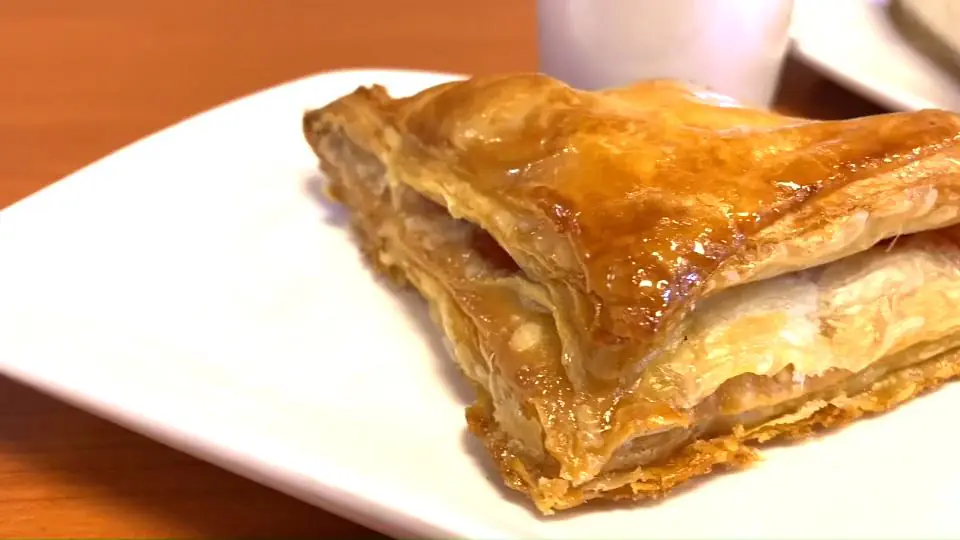
The pastry case at a Cuban bakery is usually the first thing newcomers study. It can look straightforward from a distance, flaky turnovers, cookies, cakes, savory bites, but the details reveal a lot. A guava pastelito done right is not just sugary fruit inside puff pastry. The guava should have enough tartness to push back against the sweetness. The pastry should shatter lightly without leaving an oily film on your fingers. If cream cheese is involved, it should soften the edges of the guava rather than disappear into it.
That balance is where experienced bakers separate themselves. Cuban bakery staples often rely on contrasts instead of complexity for its own sake. Sweet and salty. Crisp and soft. Rich pastry with bright fruit. Strong coffee with a buttery bite of dough. None of this works if one element overwhelms the others.
There is also a practical side to the selection. A Cuban bakery is built around foods people actually live with. Someone may stop in for breakfast and grab a pastelito and café con leche. Another person comes in late morning for croquetas and coffee. At lunch, the sandwich press gets louder, and by afternoon there may be slices of cake going out for birthdays, office gatherings, or a family dinner. The case is not random. It reflects the pattern of daily eating.
That is part of what makes a Cuban bakery in Aurora CO stand out. It offers variety without drifting into confusion. The sweet items make sense next to the savory ones. The lunch menu fits naturally with the pastry program. The whole place tends to feel like it grew from habit and demand, not from a consultant’s trend board.
Coffee is not an extra, it is part of the experience
You cannot talk seriously about a Cuban bakery without talking about coffee. In many cases, the bakery and the coffee service are intertwined so closely that one almost validates the other. If the espresso is thin, bitter in the wrong way, or carelessly handled, the room loses some of its authority.
Cuban coffee has a social role that outsiders sometimes miss. It is small, strong, and often shared. It punctuates conversation. It closes a meal or restarts a workday. In a bakery setting, it also acts as a flavor partner. Sweet pastries taste sharper and more complete next to a proper cafecito. Milk softens the coffee in café con leche, but it should not bury the roast. The point is not size. The point is intensity, warmth, and rhythm.
One of the things that makes a bakery special is whether the staff treats coffee as an obligation or as a craft. You can usually tell fast. Are shots pulled with attention? Is the service quick without feeling rushed? Do regulars order with the confidence of people who know they will get the same cup every time? Consistency in coffee service often reflects consistency everywhere else.
In Aurora, where people are used to a broad coffee landscape ranging from national chains to serious independent cafés, a Cuban bakery has to earn respect on both fronts. It has to satisfy the customer who wants comfort and the customer who notices extraction, sweetness, temperature, and timing. The good ones do.
Savory food gives the bakery real staying power
Plenty of bakeries can attract first-time visitors with sweets. Savory food is what often turns them into regulars. That is especially true in the Cuban bakery tradition, where lunch is not an afterthought.
A pressed Cuban sandwich is one obvious draw, but even that category contains a lot of variation. The ratio matters. The pork has to contribute moisture and seasoning. The ham should add salt, not dominate. The pickles need enough acidity to cut through the richness, and the mustard should be assertive without becoming harsh once heated. The bread has to crisp on the outside and compress just enough to unify the fillings. It sounds simple because the ingredient list is short. In practice, every shortcut shows.
Then there are the croquetas, which many customers judge with unusual severity. A good croqueta should be creamy but not runny, structured but not stiff. The coating needs to fry up crisp and clean, with no greasy residue. Ham croquetas are common, but the technique matters more than the flavor variation. When they are fresh, they disappear fast. When they are old, everyone can tell.
Empanadas, stuffed potato balls, and savory pastries often expand the appeal of the bakery beyond dessert seekers. Office workers can pick up lunch quickly. Families can stop in for a mixed order that pleases everyone. Someone who came for coffee can leave with dinner components. That flexibility makes the business resilient, and it makes the customer relationship deeper than a simple bakery run.
The atmosphere is usually lively for a reason
One of the easiest ways to identify a bakery with staying power is to watch how people use the room. Are they hesitating? Are they treating it like a transaction-only space? Or are they talking across tables, greeting staff by name, and asking what just came out fresh?
A Cuban bakery often has a certain kinetic energy. Orders move quickly. The line may be short or long, but it rarely feels stagnant. Staff members call things out, answer practical questions, and keep the cases moving. The room tends to attract a mix of customers, older regulars, families with children, workers on break, younger diners discovering the place through friends, and people who grew up with these foods returning because the flavors still matter to them.
That atmosphere is not an accessory. It is part of what makes the bakery special. Food traditions survive best when they remain in active daily use. A quiet, over-styled bakery can look polished and still feel hollow. A busy bakery with warm service and honest food often creates much stronger loyalty, even if the décor is less curated.
Aurora is well suited to that kind of business because it is a city where residents support places that feel rooted. The local dining scene rewards credibility. If a bakery becomes known for dependable food, fair portions, and a sense of welcome, people spread the word quickly. They bring relatives. They pick up boxes for events. They stop by after church, before work, or on the way home. Over time, the bakery stops being just a business address and becomes part of the neighborhood’s routine.
Tradition matters, but adaptation matters too
The most interesting food businesses are rarely frozen in time. A Cuban bakery needs to preserve its identity, but it also has to work within local realities. Ingredients vary by region. Customer traffic changes across the week. Climate can affect dough behavior more than casual diners realize. Even altitude in Colorado can influence baking performance and moisture management.
That does not mean the bakery should dilute what makes it distinct. It means skilled operators learn how to adapt without compromising the core character of the food. A pastry https://cristianktug052.oakmontscope.com/posts/fresh-bread-and-bold-flavor-at-a-cuban-bakery-in-aurora-co recipe may need slight adjustment for consistency. Service may need to move faster during heavy lunch demand. The menu might include a few items that reflect broader local tastes while keeping the heart of the bakery unmistakably Cuban.
This is where judgment becomes more important than rigid ideas about authenticity. A bakery can respect tradition and still respond intelligently to its market. In fact, many of the strongest immigrant food businesses have always done exactly that. They preserve key techniques and flavors while making practical decisions that help the business thrive in its new home.
For customers, the result is often the best version of local food culture, something rooted in heritage but fully alive in the present. That is one reason a Cuban bakery in Aurora CO can feel so compelling. It is not operating in a vacuum. It is part of the city’s evolving food story while carrying a very specific culinary identity of its own.
What regulars usually notice before everyone else
Frequent customers become very good at spotting quality signals. They notice whether the pastries are replenished or simply rearranged. They know which time of day yields the warmest bread. They can tell if the croquetas were fried to order or held too long. They often watch how staff interact with first-time visitors, because hospitality is part of the product.
A bakery earns trust through repetition. One excellent visit creates curiosity. Ten solid visits create loyalty. This is where smaller operational decisions matter, things that do not show up well in social media photos but absolutely affect the customer experience. Bread sliced properly. Coffee served hot and fast. Savory items that stay crisp. Boxes packed carefully enough to survive the car ride home. Cakes that taste as good as they look.
Regulars also know that every bakery has its strengths. Some shine brightest in pastries, while others build their reputation on sandwiches and coffee. A particularly strong shop often manages all three. The point is not perfection in a glossy sense. The point is care, consistency, and a clear sense of what the bakery wants to be.
How to tell whether a Cuban bakery is truly good
For anyone new to the category, a few practical cues help separate a serious bakery from a generic one with Cuban branding.
- The bread should taste fresh and feel structurally right for sandwiches, light inside, gently crisp outside.
- Pastries should show contrast in texture and flavor, not just sugar.
- Coffee service should be confident and fast, with drinks that taste intentional rather than automatic.
- Savory items should be as compelling as the sweets.
- The room should feel used and loved, not merely decorated.
None of these standards requires luxury. In fact, some of the best bakeries are modest spaces with plain seating and high traffic. What matters is whether the food has integrity and whether the business understands the culture it represents.
Why these bakeries matter beyond the menu
There is a tendency to reduce ethnic bakeries to novelty or craving spots, places to visit occasionally for something different. That framing misses their actual role. A Cuban bakery often functions as a site of continuity. It carries recipes, habits, and forms of hospitality that hold emotional weight for people. For immigrants and their families, that can mean access to familiar tastes that make a place feel more livable. For the wider community, it offers a direct, everyday way to engage with another culinary tradition beyond festivals and one-off events.
Food businesses like these also teach people how to eat across cultures in a more grounded way. You learn that Cuban food is not one sandwich and a cup of coffee. You see how pastry traditions overlap with family rituals, how lunch counters serve as informal community spaces, how certain items are tied to memory and migration. A bakery can communicate all of that without saying a word. It just has to open early, make things properly, and stay consistent long enough for people to build routines around it.
In Aurora, a city with a broad and layered food identity, those contributions matter. Residents do not simply want variety. They value places that feel honest. A Cuban bakery that succeeds there tends to do so because it offers more than recognizable menu items. It offers texture, ritual, and a sense of place.
The small details that linger after the meal
People often remember a bakery through little sensory fragments. Powdered sugar on the corner of a pastry box. The metallic hiss of the espresso machine. The crackle of pressed bread opening at the first bite. The sweetness of guava against salt and butter. A server recommending one item over another without sounding scripted. These details build the emotional life of a business.
That is ultimately what makes a Cuban bakery special. Technique matters. Menu depth matters. Freshness matters. But the lasting impression comes from how all of those elements come together in a way that feels human and unforced. You are not being sold a concept. You are being fed by a place that knows what it is doing and why it matters.
A great Cuban bakery in Aurora CO will usually leave you with two impressions at once. First, the food satisfies immediately. Second, the place seems to belong to people in a real way. It serves cravings, yes, but it also serves memory, routine, and community. That combination is hard to manufacture, and easy to recognize once you experience it.
When a bakery gets there, it becomes more than a stop for coffee and pastries. It becomes one of those places people recommend with unusual confidence. Not because it is fashionable, but because it is good in the old-fashioned sense of the word, reliable, generous, skillful, and alive.
Cuba Bakery & Café
15028 E Mississippi Ave, Aurora, CO 80012
+1 303-752-2822
FAQ About Cuban bakery Aurora CO
What are Cuban pastries called?
Many small Cuban pastries are called pastelitos. They can have sweet or savory fillings, such as guava, cheese, guava and cheese, or seasoned meat. Cuba Bakery & Café lists guava, cheese, guava-and-cheese and beef pastries on its menu. Ask the bakery about current availability and ingredients when ordering.
What are traditional Cuban pastries?
Common Cuban bakery choices include flaky pastelitos filled with guava, cheese or meat. Cuban bakeries may also offer empanadas, breads and desserts alongside coffee. Cuba Bakery & Café lists pastelitos, several empanada fillings, pan Cubano and desserts such as tres leches and bread pudding. Selection can vary, so confirm the day's choices with the bakery.
What makes Cuban bread different?
Cuban bread is known for its light interior and a thin crust that becomes crisp when toasted or pressed. Traditional recipes often use lard, although ingredients vary by baker. It is commonly served as buttered toast or used for Cuban sandwiches. Cuba Bakery & Café lists pan Cubano and tostada on its menu; ask staff about the ingredients in their bread if you have dietary restrictions.