Cuban Bakery Aurora CO: A Flavorful Destination for Locals
Aurora has never been a one-note food city. Its best meals often come from places that do not chase trends, places where the front counter tells you as much as the menu does. A good Cuban bakery fits that mold perfectly. It is part neighborhood stop, part comfort kitchen, part coffee ritual, and part memory bank for people who grew up with these flavors and never stopped craving them.
That is why the phrase Cuban bakery Aurora CO means more than a quick search term. For many locals, it points to a place where the bread is still warm late in the morning, where the pastry case leans sweet but never fussy, and where lunch can be as simple as a pressed sandwich and a cafecito strong enough to reset the day. For others, especially newcomers, it is an invitation to step into a style of baking and hospitality that feels immediate and unpretentious.
The appeal is easy to understand once you spend time in a bakery like this. Cuban baking does not rely on novelty. It relies on discipline, repetition, and judgment. Dough has to be mixed correctly, proofed on time, baked with attention, and sold while texture still matters. Fillings cannot be timid. Coffee cannot be an afterthought. The room itself has to feel lived in, not curated for social media. When all of that comes together, a Cuban bakery becomes one of those places people build into their week without much discussion.
Why locals keep coming back
Repeat business in a bakery usually comes down to three things: consistency, speed, and emotional pull. The first is obvious. If someone buys Cuban bread on Tuesday and it is airy, crisp, and fragrant, they expect that same quality on Friday. The second matters because bakeries often serve working people on a tight schedule. Morning customers are on the way to jobs, school drop-off, or appointments. Lunch customers want a fast meal that still tastes handmade. The third factor is harder to fake. It is the feeling that the place understands what food means beyond fuel.
A well-run Cuban bakery in Aurora often earns loyalty by doing ordinary things at a very high level. The bread should crackle lightly when torn. The guava pastry should taste of fruit rather than just sugar. The croqueta should have a delicate crust that gives way without turning greasy. The café con leche should arrive hot and balanced, not scorched or thin. None of that sounds dramatic, but anyone who has eaten mediocre versions knows exactly how much skill these details require.
There is also something deeply practical about the format. A bakery gives customers options for different parts of the day. One person stops in for breakfast and leaves with pastelitos for the office. Another comes by in the afternoon for bread and a sandwich to take home. A family picks up pastries on a weekend morning and lingers over coffee. That flexibility matters in a city like Aurora, where daily routines can stretch across long commutes, shift work, and busy family schedules.
The pastry case tells you almost everything
If you want to judge a bakery quickly, start with the pastry case. Not because appearance is everything, but because pastry reveals priorities. In a strong Cuban bakery, the display usually has a sense of order without looking precious. You should see familiar standards prepared in volume, because these items are meant to be eaten, replenished, and eaten again, not admired from a distance.
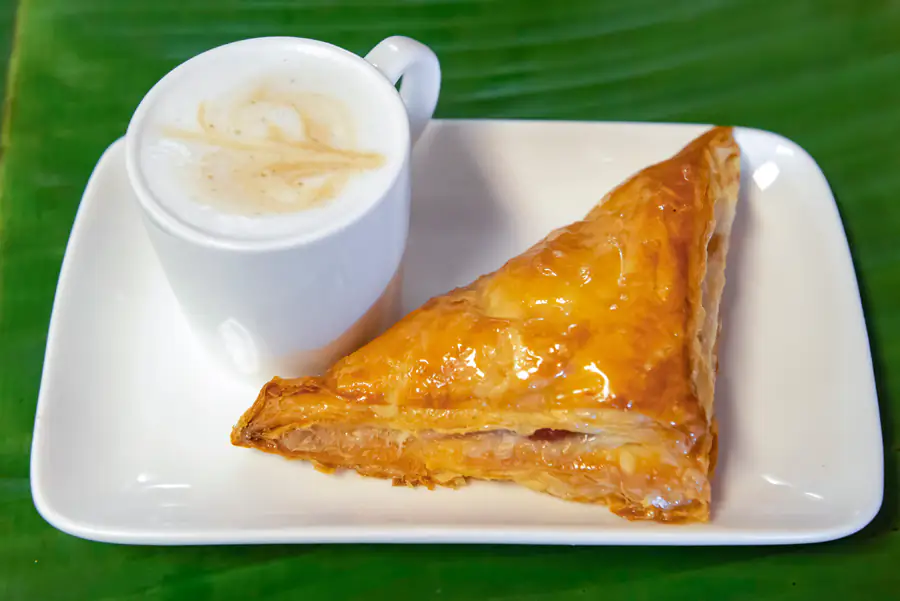
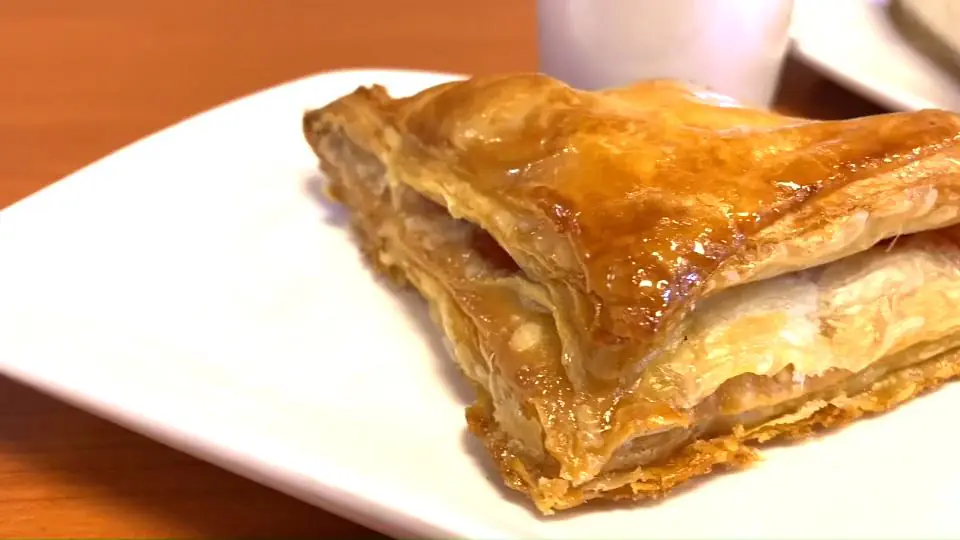
Pastelitos are often the first thing people notice. The classic guava version tends to win over first-time customers because it hits several notes at once: flaky pastry, concentrated fruit, enough sweetness to feel indulgent, and enough acidity to keep the bite from getting heavy. Guava and cheese adds a creamy, slightly salty contrast that many regulars prefer. Coconut, meat-filled pastries, and seasonal variations may show up as well, depending on the bakery and the day.
Texture is what separates a memorable pastry from a forgettable one. I have had excellent Cuban pastries that looked modest but shattered properly at the edges and carried filling all the way through. I have also had attractive ones that sat too long under warm lights and lost their snap. That is why timing matters. If you go earlier in the day, especially on busy mornings, you are more likely to catch turnover at its best.
The same rule applies to savory items. A ham croquette should not feel dense or waterlogged. A potato ball should have clear seasoning and a shell that keeps its shape. Even a simple cheese pastry should leave a clean impression rather than a greasy one. Bakers and counter staff may not talk much about these points, but they know customers notice. Locals absolutely do.
Bread is the backbone
Pastries may draw the eye first, but bread is where many Cuban bakeries build their reputation. Cuban bread looks simple, which makes it easy to underestimate. Done right, it has a delicate crust, a soft interior, and enough structure to hold up in a pressed sandwich without turning leathery. Done poorly, it can feel bland, cottony, or oddly tough.
Freshness matters more here than in many other bakery categories. Bread that comes out right in the morning is at its peak for that crisp-soft contrast people want. By later in the day, especially in Colorado’s dry climate, the loaf can change quickly. A good bakery knows this and bakes accordingly, balancing demand with timing instead of filling shelves with product that will sit too long.
That challenge is worth noting because Aurora’s altitude and dryness are not small variables. Bakers in Colorado work under conditions that can affect fermentation, hydration, and shelf https://jaredwzsx821.northcrestbrief.com/posts/how-a-cuban-bakery-in-aurora-co-elevates-dessert-time life. This is one reason local experience counts. Recipes are not plug-and-play. A bakery that consistently turns out quality bread in Aurora has usually made adjustments based on observation, not guesswork. Customers may never see that part, but they benefit from it every time they tear into a warm loaf or bite into a sandwich that holds together properly.
For locals, bread often becomes the habit-forming purchase. People might first visit for a pastry, then come back because they realize the bread is useful all week. It works at breakfast with butter, at lunch with pressed meats and cheese, and at dinner alongside soup or a roast. The best bakeries know that a plain loaf can quietly be the item that cements loyalty.
Coffee is not a side note
No serious conversation about a Cuban bakery is complete without coffee. In many places, coffee supports the pastry program. In a Cuban bakery, coffee is part of the identity. It shapes the pace of the room. It gives people a reason to linger for ten minutes or to stop in for two. It also creates a kind of social rhythm that is hard to manufacture.
Cafecito, café con leche, and cortadito each serve a different mood. The tiny, sweet, intense cafecito is less about sipping leisurely and more about impact. A café con leche softens the edge with milk and works especially well with flaky or buttery pastries. A cortadito sits somewhere in between, concentrated but rounded. When the espresso is pulled well, the sugar is measured with confidence, and the milk is textured properly, the result feels specific to the tradition rather than a copy of general coffee-shop habits.
That distinction matters because not every bakery treats coffee with equal seriousness. Some do an acceptable job and rely on food to carry the experience. Others understand that coffee is one of the fastest ways to signal credibility. You can tell when a staff member has made the same drinks hundreds of times and knows how sweet is sweet enough, how hot is hot enough, and how fast service needs to move when a morning line forms.
For many regulars, that cup of coffee becomes the anchor. They may vary their order around it, but the drink itself remains constant. It is also often the easiest entry point for newcomers. Even if someone is unsure what to order from the pastry case, good coffee gives them a place to start.
Sandwiches that justify the trip
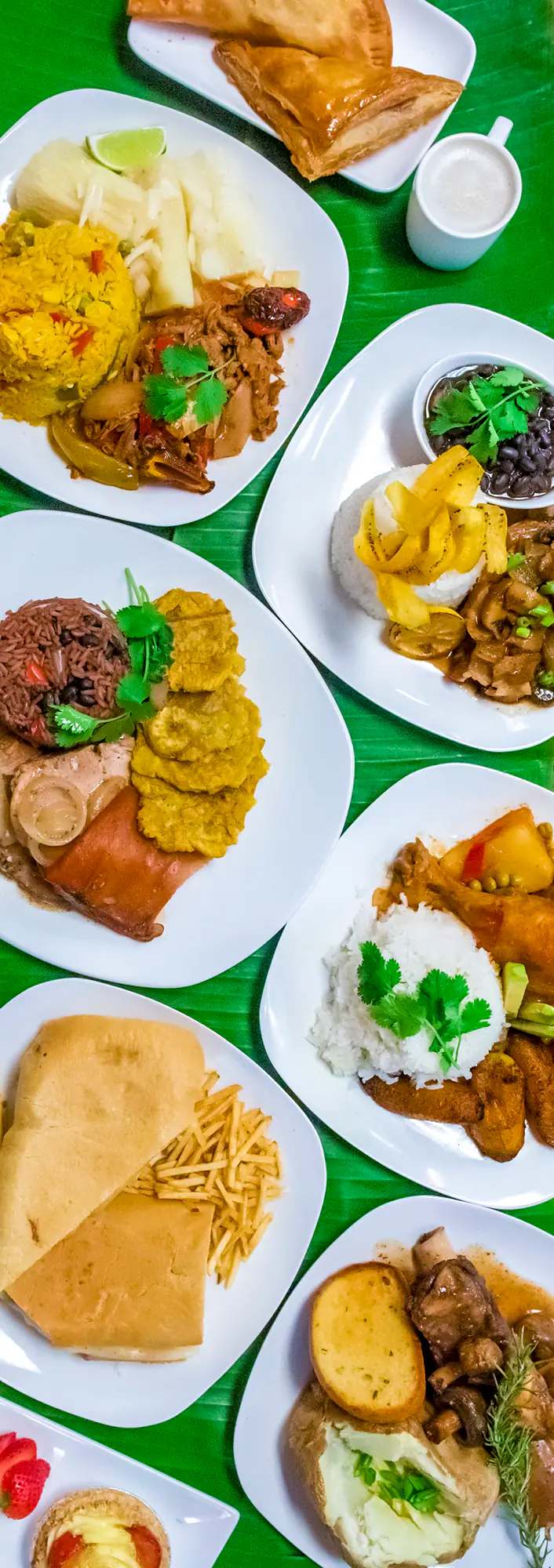
A Cuban bakery that also serves sandwiches moves from pleasant stop to practical destination. The classic Cuban sandwich remains the standard reference point, and for good reason. When balanced correctly, it is one of the most satisfying lunches you can buy. Roast pork brings depth, ham adds salt, Swiss cheese melts into the bread, mustard cuts through richness, and pickles keep the whole thing from becoming heavy. Pressing the sandwich is not just for heat. It sharpens texture and creates the contrast that makes each bite work.
There are a few easy ways to tell whether the sandwich program is serious. First, the bread should still matter after pressing. Second, the fillings should be distributed evenly rather than piled carelessly in the center. Third, the mustard and pickles should be assertive enough to do their job. Too many versions fail because they are stingy with the acidic elements, leaving the sandwich flat and overly meaty.
Medianoche, pan con bistec, and ham-and-cheese variations can be just as compelling depending on the bakery. Pan con bistec, when handled well, has a vivid personality. Thin steak, onions, potato sticks, and bread may sound simple on paper, but getting that combination right requires restraint. Too much moisture and the bread suffers. Too little seasoning and the sandwich falls apart conceptually. The best versions taste direct and comforting, not overloaded.
Lunch service also changes who uses the bakery. Morning pastry customers often overlap with commuters and families, while lunch draws workers from nearby businesses, students, and anyone who wants something substantial without the formality or cost of a sit-down meal. That mix gives the bakery a broader role in neighborhood life.
What first-time visitors should pay attention to
If you are trying a Cuban bakery in Aurora for the first time, a little observation goes a long way. The regulars usually reveal the strengths of the place. Watch what moves fastest. Notice whether trays are being replenished. Listen for how often coffee drinks are ordered. See whether customers are buying for one meal or carrying out multiple bags for home or work.
A sensible first visit often includes a balance of sweet, savory, and bread. That way you get a read on the bakery’s range rather than judging it on one item alone.
- Try one fruit pastry, often guava or guava and cheese.
- Order a coffee that fits your tolerance for sweetness and strength.
- Add one savory item, such as a croquette or sandwich.
- Take home bread if it looks fresh and turnover appears brisk.
That approach is useful because it respects what bakeries usually do best: breadth with consistency. It also keeps expectations grounded. Not every place will excel equally at every category. One bakery may have exceptional bread and solid pastries. Another may shine on sandwiches and coffee while offering a smaller pastry selection. The point is to notice where the kitchen and front counter show confidence.
The local factor in Aurora
Aurora rewards places that feel rooted. It is a city where residents often value substance over presentation, and where food businesses earn trust through reliability. A Cuban bakery fits naturally into that ecosystem because it offers everyday pleasure without demanding a special occasion. You do not need to plan around it. You simply work it into life.
That local fit also comes from cultural range. Aurora diners are used to moving across cuisines and supporting businesses that carry strong community ties. A bakery with Cuban identity can thrive here not by explaining itself endlessly, but by serving excellent food, staying consistent, and becoming useful to the people nearby. Utility is underrated in restaurant writing, but it is one of the strongest signals of staying power. If a bakery can handle a weekday coffee rush, provide an affordable lunch, and send customers home with bread or pastries for later, it becomes part of the neighborhood’s routine.
There is also value in the atmosphere such places create. A polished chain coffee shop might offer predictability, but it rarely offers character. In contrast, a Cuban bakery often has its own tempo. Orders are called out differently. Conversations happen more casually. The room may be modest, but the sensory cues are stronger, fresh bread, espresso, butter, sugar, toasted sandwiches. That combination can make a ten-minute stop feel restorative.
Timing changes the experience
One of the biggest differences between an average visit and a great one is timing. Bakeries are living operations, not static displays. Product quality changes through the day, and smart customers learn to work with that rather than against it.
Morning is usually best for the widest pastry selection, fresh bread, and quick coffee service. Midday tends to be strongest for hot sandwiches and savory turnover. Late afternoon can still be rewarding, especially if you want to grab what is left for home, but it may be less representative if your goal is to judge the bakery at its peak.
Weekends often bring a more social crowd. Families, couples, and groups of friends may turn a simple bakery run into part of the day’s plan. Weekdays can be more utilitarian, with people moving fast before work or stepping out during lunch. Neither is inherently better, but they feel different. If you want to observe the bakery as a community space, a weekend morning usually tells you more. If you want to see how efficiently it operates under routine pressure, try a weekday rush.
What separates a dependable bakery from a great one
A dependable bakery can make a satisfying snack. A great one becomes a recommendation you repeat without hesitation. The difference often lies in details that casual visitors feel even if they do not name them outright.
- Strong turnover, which keeps pastries and bread fresh.
- Balanced seasoning and sweetness, not just big portions.
- Coffee service that feels practiced, not incidental.
- Staff who move with confidence during busy periods.
- A menu with enough variety to invite return visits without losing focus.
Great bakeries also show judgment in what they do not do. They resist menu sprawl. They avoid dressing up traditional items with unnecessary gimmicks. They understand that regulars return for recognizable flavor and consistent execution, not reinvention for its own sake. That kind of restraint is often a mark of experience.
It is worth saying plainly that nostalgia alone cannot carry a bakery forever. Warm memories may bring people through the door once or twice, but quality keeps them coming back. The places that last are the ones that make food with care every day, under ordinary business pressure, for customers who know exactly how these items should taste.
A place that feeds more than appetite
One reason people speak fondly about a Cuban bakery Aurora CO is that these businesses often do more than provide food. They create familiar rituals. Someone picks up bread for dinner and ends up staying for coffee. A parent introduces a child to guava pastry because it was part of their own childhood. A worker grabs a sandwich at lunch and chats with the same counter staff every week. These are small moments, but they matter. They turn commerce into community.
That sense of place is especially valuable in a city where people are often busy, spread out, and moving from one obligation to the next. A bakery offers a pause without ceremony. It does not ask for a reservation, a big budget, or an occasion. It asks only that you show up hungry and curious.
For locals, that may be the strongest argument of all. A good Cuban bakery is not just where you go when you want something sweet. It is where you go when you want food that tastes made by people who care about repetition, memory, and honest flavor. It is where lunch can be quick without feeling disposable. It is where coffee has personality. It is where bread still matters.
And in a city as layered and practical as Aurora, that combination is hard to beat.
Cuba Bakery & Café
15028 E Mississippi Ave, Aurora, CO 80012
+1 303-752-2822
FAQ About Cuban bakery Aurora CO
What are Cuban pastries called?
Many small Cuban pastries are called pastelitos. They can have sweet or savory fillings, such as guava, cheese, guava and cheese, or seasoned meat. Cuba Bakery & Café lists guava, cheese, guava-and-cheese and beef pastries on its menu. Ask the bakery about current availability and ingredients when ordering.
What are traditional Cuban pastries?
Common Cuban bakery choices include flaky pastelitos filled with guava, cheese or meat. Cuban bakeries may also offer empanadas, breads and desserts alongside coffee. Cuba Bakery & Café lists pastelitos, several empanada fillings, pan Cubano and desserts such as tres leches and bread pudding. Selection can vary, so confirm the day's choices with the bakery.
What makes Cuban bread different?
Cuban bread is known for its light interior and a thin crust that becomes crisp when toasted or pressed. Traditional recipes often use lard, although ingredients vary by baker. It is commonly served as buttered toast or used for Cuban sandwiches. Cuba Bakery & Café lists pan Cubano and tostada on its menu; ask staff about the ingredients in their bread if you have dietary restrictions.